A safer pool is a layered pool.
Florida law requires more than one safety feature around a residential pool — and for good reason. Drowning is the leading cause of death for children under five in our state. Here's a plain-English guide to what's required, what we check on every visit, and what we recommend for the pools we care for in Naples, Marco Island, and Bonita Springs.
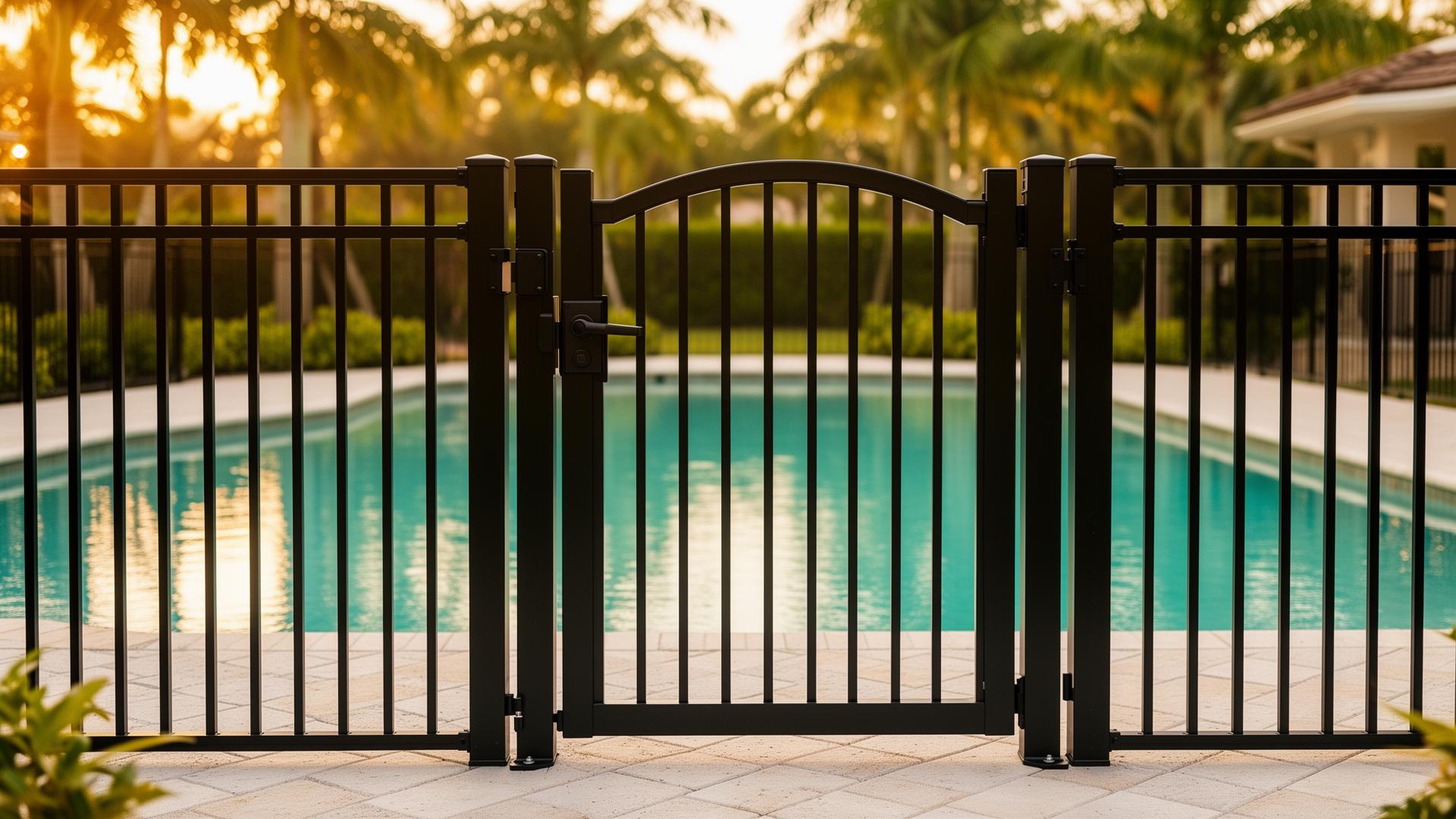
The six things every Florida pool should have.
No single feature prevents every accident — barriers fail, alarms get muted, kids are quick. The CPSC and Florida code both recommend stacking multiple, independent layers so a single point of failure never reaches the water.
Barriers & fence height
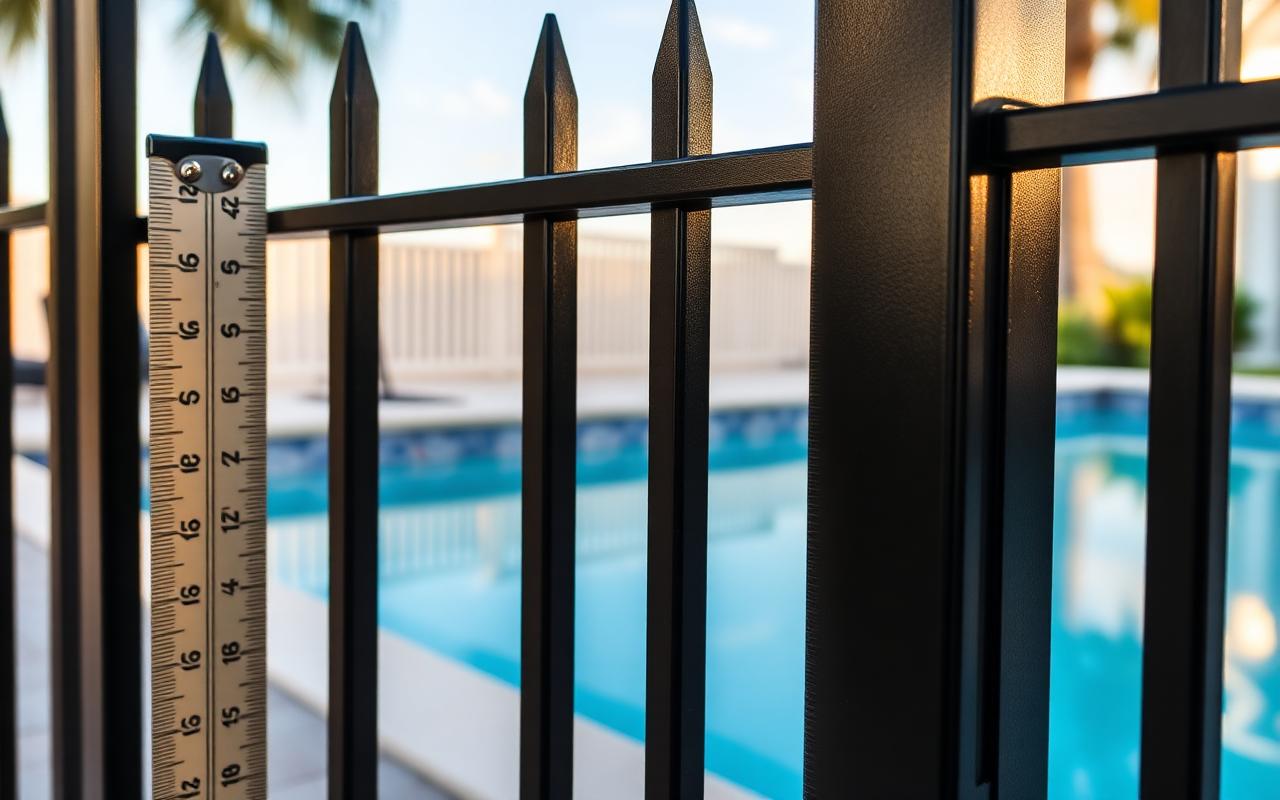
Florida's Residential Swimming Pool Safety Act (FS 515) requires a barrier at least 48 inches (4 ft) tall measured from the outside, with no more than 4 inches of clearance at the bottom. Vertical pickets must be spaced no more than 4 inches apart so a small child cannot slip through. Horizontal members on the pool side should be at least 45 inches apart — otherwise they form a climbable ladder.
Self-closing, self-latching gates
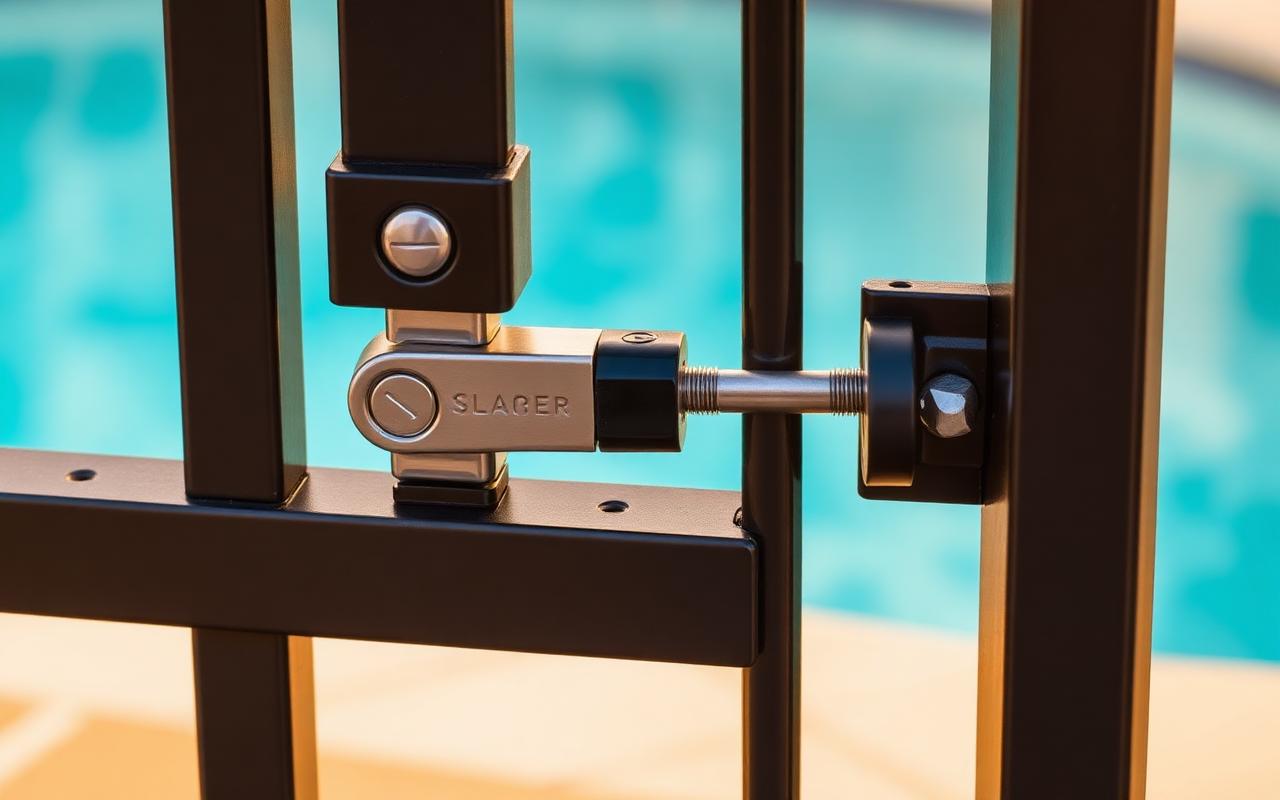
Every gate accessing the pool must swing outward (away from the pool), self-close from any open position, and self-latch. The release mechanism must be at least 54 inches above the ground, on the pool side of the gate. We test latches and hinge tension on every weekly visit and tighten or replace hardware before it fails.
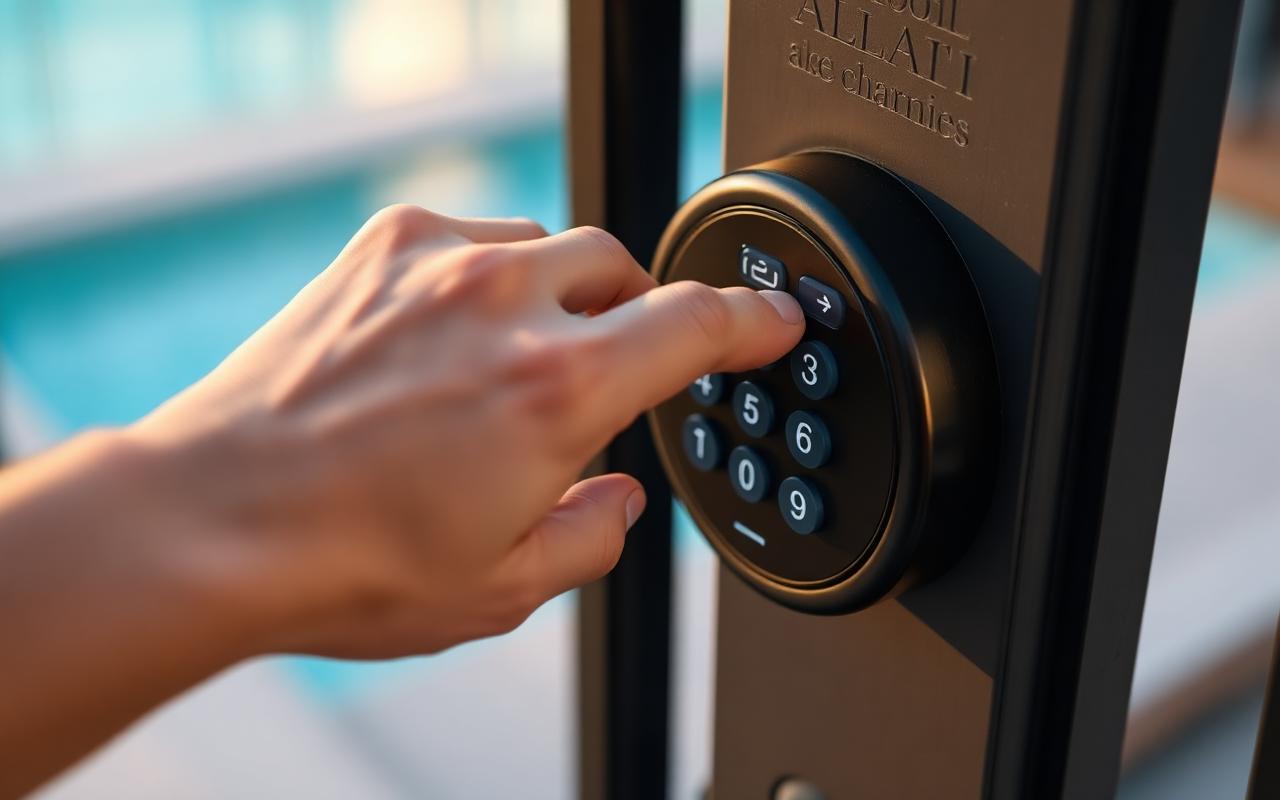
Gate codes & key access
If your gate uses a keypad lock, choose a 4–6 digit code that's not a birthday or street number, and rotate it whenever a contractor, short-term renter, or service provider no longer needs access. We keep your code in an encrypted password manager — never in a notebook, never in a text message — and we'll happily use a temporary code for our visits if you prefer.
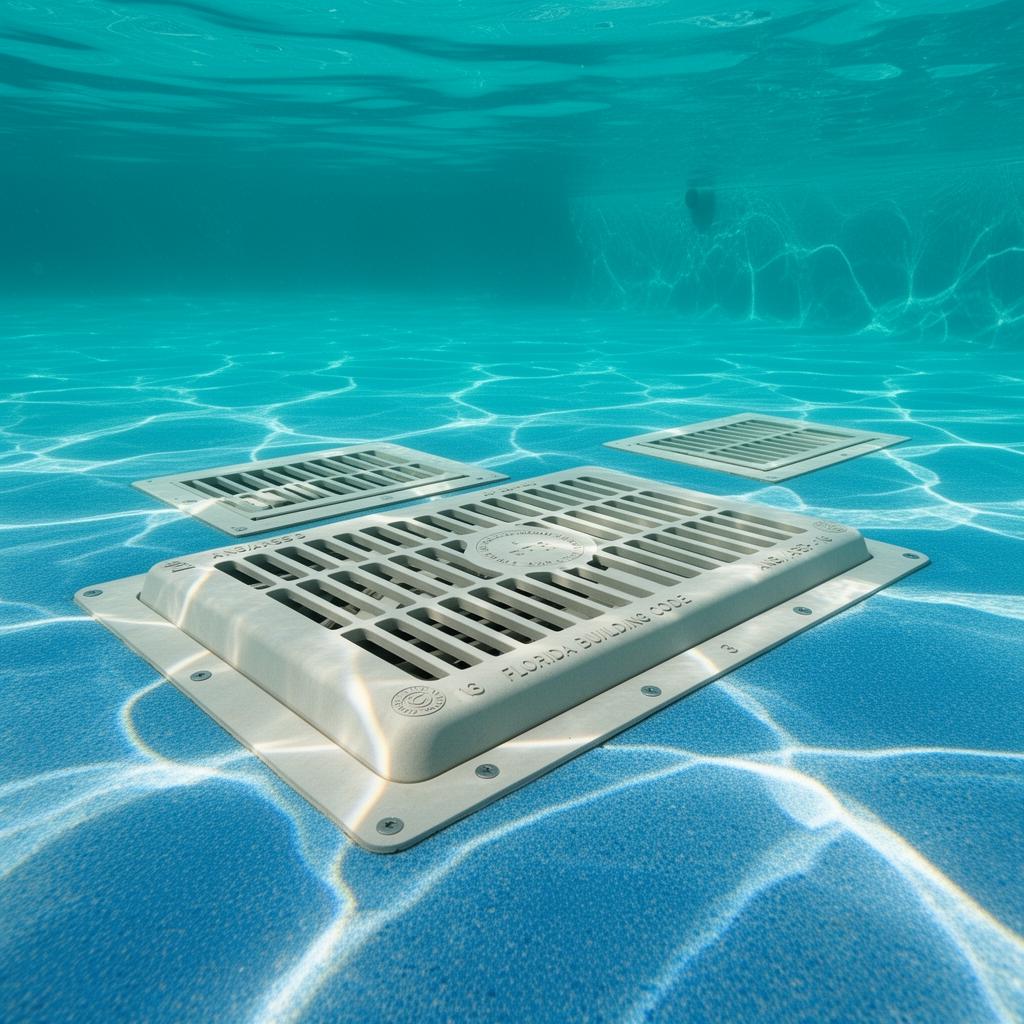
VGB-compliant drain covers
The federal Virginia Graeme Baker Pool & Spa Safety Act requires anti-entrapment drain covers on every suction outlet. Covers are date-stamped and must be replaced before they expire (typically every 5–10 years depending on model). Single-drain pools should also have a Safety Vacuum Release System (SVRS) or be converted to dual-drain. We inspect drain covers and stamp dates at every service visit.
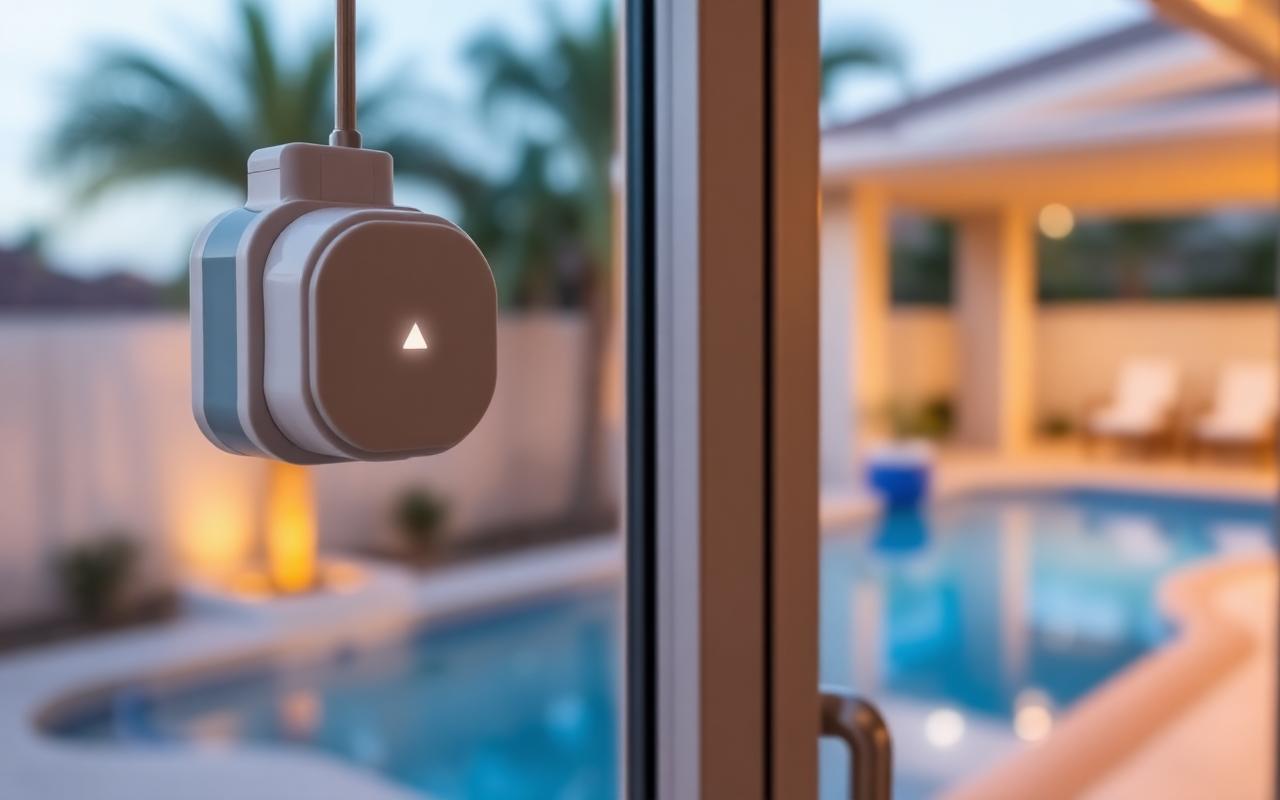
Alarms & secondary protection
Florida code requires at least one approved safety feature in addition to the barrier: door alarms on every door leading to the pool, a powered safety cover that meets ASTM F1346, or a pool alarm that detects surface disturbance. Door alarms should sound for 30+ seconds and be 7 minutes auto-reset. Test all alarms monthly — we replace batteries during regular service.
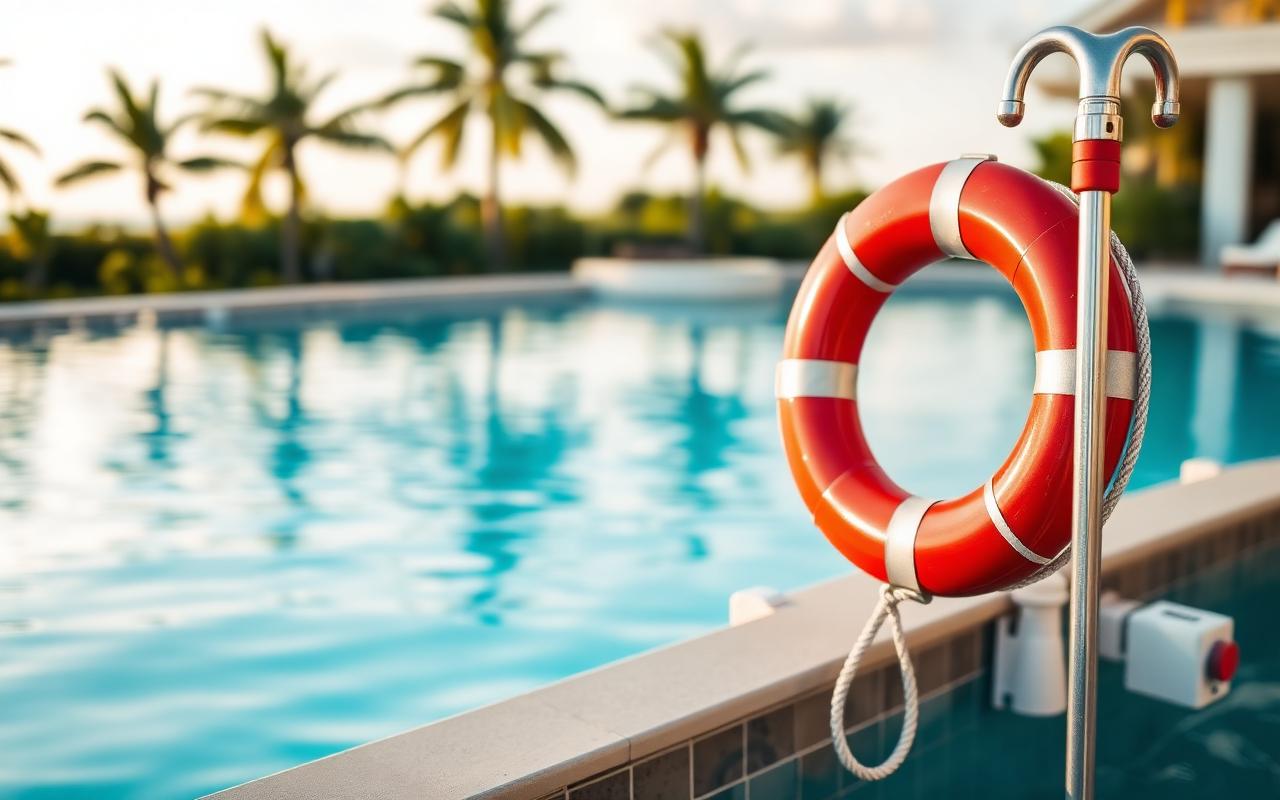
Rescue equipment & signage
Keep a U.S. Coast Guard–approved life ring with attached rope, a reaching pole (shepherd's crook) at least 12 feet long, and a clearly posted sign with the property address and 911 mounted near the pool. For homes with frequent guests, we recommend a wall-mounted rescue station so equipment is never blocked or moved.
Walk your pool deck this weekend.
Print this list, take ten minutes, and check every item. If any line gives you pause, send us a photo — we'll tell you what to fix and what to leave alone.
- Pool fence ≥ 48" tall, no footholds, ≤ 4" gap at bottom
- All gates self-close and self-latch from any position
- Latch release ≥ 54" above ground, on pool side
- Drain covers VGB-compliant and within date stamp
- Pool pump has SVRS or pool has dual main drains
- Door alarms on every house door leading to pool area
- Rescue ring, shepherd's crook, and 911 sign visible
- Pool cover (if used) meets ASTM F1346 standard
- Gate codes rotated after contractors / renters
- CPR and rescue breathing — at least one adult certified
Call 911 first. Then call us.
If a drain cover, gate latch, or alarm has failed and the pool is currently unsafe — keep the area locked and call us immediately. We carry replacement VGB drain covers, gate hardware, and alarm batteries on every truck and can usually be on-site the same day.
This page summarizes general guidance from the U.S. Consumer Product Safety Commission, the Virginia Graeme Baker Pool & Spa Safety Act, and Florida Statute 515. It is not legal advice — always consult your local building department for requirements specific to your property.